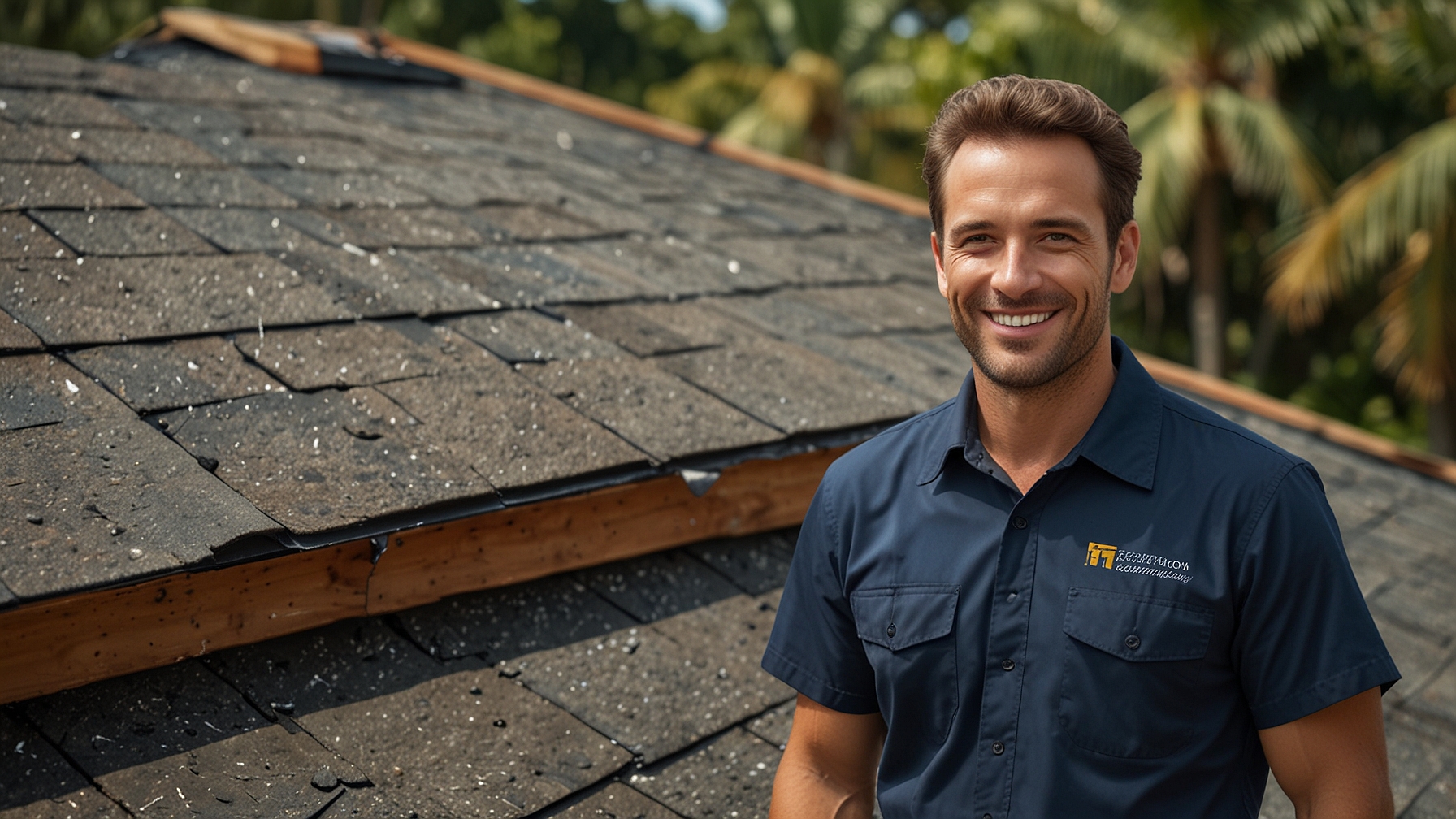
When a fierce storm hits Palm Beach County, home and heart can take a hit. Storm damage roof repair is a crucial step in restoring your home's integrity and ensuring your family's safety. With the right contractor and the right approach, you can get your roof back in top condition, but where do you start? Dealing with the aftermath of a tropical storm or a sudden summer deluge is stressful enough without having to wonder if your roof is actually watertight. In South Florida, a small leak today can turn into a massive mold problem tomorrow because of our relentless humidity. Taking the time to do this right the first time saves you from the nightmare of repeated repairs and interior water damage.
What to Look For
When hiring a roofing pro for storm damage repair, there are several key things to look for. First and foremost, make sure the contractor is properly licensed to work in Florida. The Florida Department of Business and Professional Regulation (DBPR) issues licenses for roofing contractors, so be sure to verify this with your chosen pro. Do not take their word for it. Ask for the license number and look it up on the state website. Additionally, ask about their insurance coverage, including workers' compensation and liability insurance. In our region, a contractor without workers' comp is a massive risk to the homeowner. If a worker falls from your roof, you could be held liable for the medical bills if the company is not insured.
You should also check for specific experience with wind mitigation and hurricane codes. Florida has some of the strictest building codes in the country for a reason. A professional should be able to explain how they will ensure your roof meets current High Velocity Hurricane Zone (HVZH) standards. This is especially important if you are replacing a section of your roof or upgrading materials.
Red flags to avoid include contractors who demand payment upfront or who are pushy about getting started right away. Be wary of storm chasers. These are companies that fly in from out of state after a major event and vanish once the checks are cashed. They often lack the local knowledge and the long term accountability that a local Palm Beach County business provides. Finally, pay attention to their reputation online. A company with a history of negative reviews or unresolved complaints may not be the best choice for your home.
What It Costs
The cost of storm damage roof repair in Palm Beach County can vary widely depending on the extent of the damage, the size of the roof, and the type of materials used. Because we deal with salty air and intense heat, the quality of materials matters, and that reflects in the price. Here are some rough estimates of what you might expect to pay for common repairs in our area:
For a small roof with minimal damage, such as replacing a few missing shingles and sealing a few leaks, you might cost between 3,000 and 6,000 dollars. This typically covers labor, basic materials, and a standard inspection.
For more significant repairs on a medium sized home, such as repairing a section of damaged clay or concrete tiles and replacing the underlayment, costs often range from 7,000 to 12,000 dollars. Tile roofs are more expensive to repair because they require specialized skills to avoid breaking surrounding tiles during the process.
If you have a larger home with significant structural storm damage, such as a partially collapsed section or widespread leaks across multiple slopes, costs could easily be 15,000 to 25,000 dollars or more. This often involves replacing large sections of decking and installing new waterproof membranes.
Factors that can affect the price include the type of roofing material, such as asphalt shingles, metal, or tile. Metal roofing is more durable against wind but costs more upfront. The number of repairs needed and the cost of any necessary permits or inspections from the county will also impact your final bill. Always ask if the estimate includes the cost of hauling away old debris, as some contractors charge for this separately.
Tips to Get the Best Results
To get the best results from your storm damage roof repair, here are a few practical tips to keep in mind. First, make sure to get a detailed estimate from your contractor, including a breakdown of the costs and materials involved. This should include the specific type of underlayment they plan to use. In Florida, the underlayment is actually the primary water barrier, not just the shingles or tiles. This detailed list will help you understand what is included and what is not, and ensure you are not getting taken for a ride.
Second, consider hiring a contractor who is certified by the National Roofing Contractors Association (NRCA), as these pros have demonstrated a high level of expertise and commitment to quality. Third, don't be afraid to ask questions or seek a second opinion if something does not feel right. Your home and your wallet are worth it.
A specific tip for our South Florida environment is to request a thorough inspection of your flashing and sealant around vents and chimneys. The extreme temperature swings and intense UV rays in Palm Beach County cause sealants to crack and peel much faster than in other states. Even if a storm did not rip a hole in your roof, the wind can pull at the flashing, creating tiny gaps. Ensuring these are sealed with high grade, UV resistant caulking can prevent a slow leak from ruining your ceiling over the next six months.
Finally, document everything. Take photos of the damage before the contractor starts and again after the work is finished. If you are filing an insurance claim, these photos are gold. They provide the evidence needed to ensure your insurance company pays for the full scope of the work required.
Finding the Right Pro
If you are looking for a reliable and trustworthy roofing pro in Palm Beach County, start by browsing our directory of verified local contractors at https://localqualitypros.com/roofing. With a wide range of options and reviews from homeowners just like you, you can find the right pro for your needs and budget.
Palm Beach County homeowners need to act proactively because the window for quality repairs is often small after a storm. When a major weather event hits, the demand for skilled contractors skyrockets, leading to longer wait times and higher prices. More importantly, our climate does not forgive delays. A small leak during a dry spell can quickly lead to structural rot or black mold once the humid rainy season returns in full force. Taking action now protects your equity and your health.