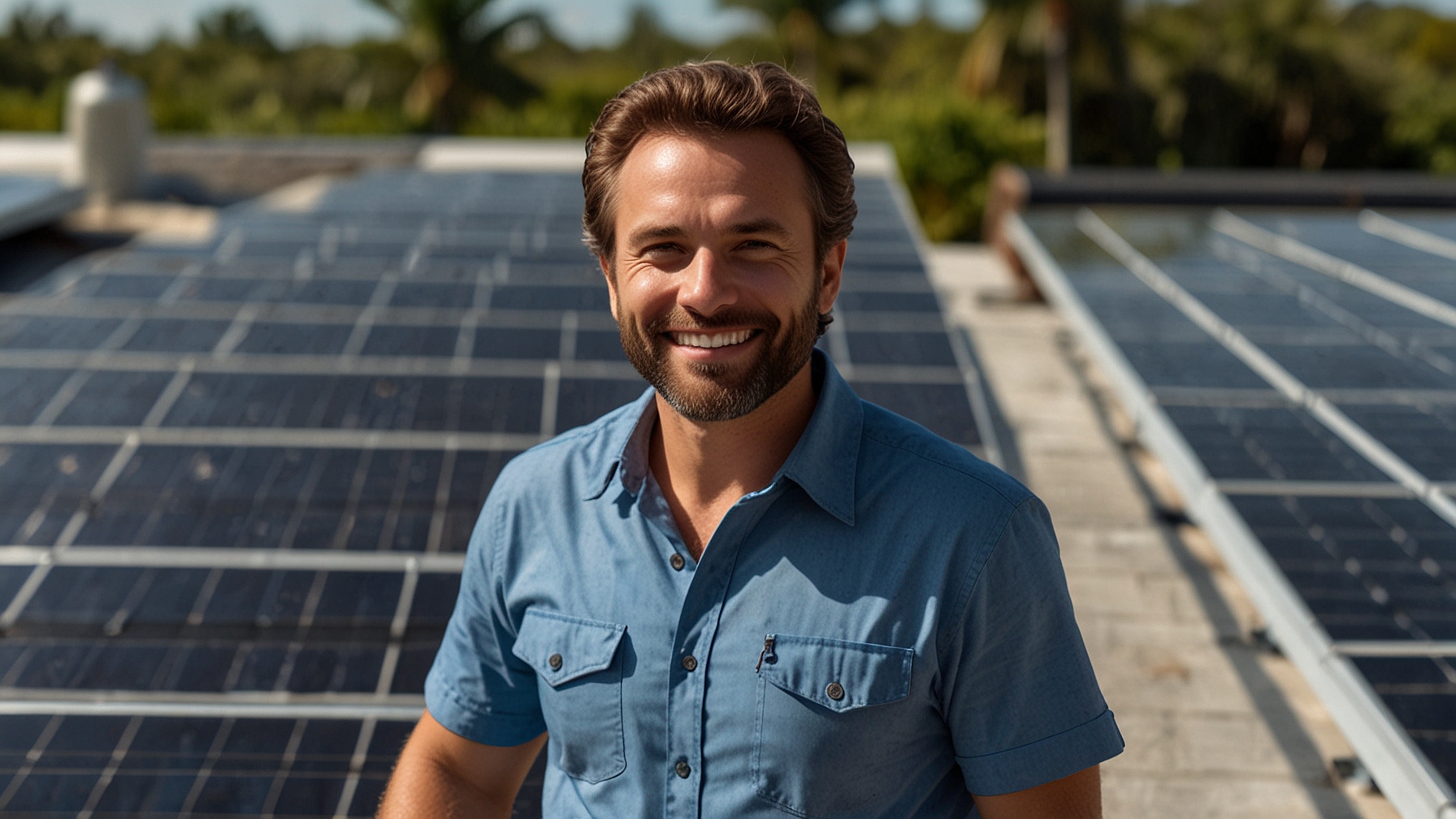
As the sun beats down on your Palm Beach County home, you can't help but wonder: can I harness its energy to power my roof? With Solar Roof Installation in Palm Beach County, homeowners are now able to tap into the sun's rays and generate clean, renewable energy. This is not just about being eco friendly. It is about taking control of your monthly utility bills in a region where the air conditioning runs almost year round. But with so many options available, from traditional panels to integrated solar shingles, how do you choose the right solar roofing system for your needs?
What to Look For
When searching for a reputable solar roofing company in South Florida, there are several red flags to watch out for. First and foremost, make sure the company is licensed by the Florida Department of Business and Professional Regulation (DBPR). This is not a suggestion. It is a requirement. Be wary of companies that refuse to provide proof of licensure, as this could indicate a lack of transparency or that they are operating as an unlicensed middleman. Additionally, ask about the company's insurance coverage, specifically general liability and workers compensation insurance, as this will protect you in case of accidents or property damage on your lawn and roof.
Furthermore, be cautious of companies that make unrealistic promises or guarantee unusually high returns on investment. If a salesperson tells you that your electricity bill will be zero dollars forever without showing you a detailed energy audit, be skeptical. Always do your research and read reviews from multiple sources before making a decision.
Beyond the basics, you must ensure the contractor understands Florida Building Code requirements for wind mitigation. In Palm Beach County, we deal with hurricane force winds. You need to ask specifically how the panels will be anchored to your roof. A company that does not mention wind loads or high velocity hurricane zones (HVHZ) is not the right partner for a South Florida home. They should be able to explain the specific mounting hardware they use to ensure the panels do not become projectiles during a storm.
What It Costs
The cost of Solar Roof Installation in Palm Beach County can vary depending on several factors, including the size of your roof, the type and quality of solar panels, and the complexity of the installation. On average, homeowners in Palm Beach County can expect to pay between $15,000 and $30,000 for a basic solar roofing system, although prices can range from $12,000 for a small roof to over $50,000 for a large residential property or a small commercial building.
To give you a better idea of the actual numbers you might see on a quote, consider these common South Florida scenarios:
For a standard 5kW to 7kW system on a medium sized single family home, expect to pay between $18,000 and $25,000. This price typically includes the panels, the inverter, labor, and the necessary electrical permits.
If you are looking for a premium integrated solar shingle system, which replaces your traditional roofing material entirely, the costs are significantly higher. These systems often range from $35,000 to $70,000 depending on the square footage. This is because you are paying for both a new roof and a power plant.
For homeowners adding a battery backup system, such as a Tesla Powerwall or similar storage unit, you should budget an additional $10,000 to $15,000. This is increasingly popular in Palm Beach County for those who want to maintain power during the frequent outages that follow a summer storm.
The cost of installation will also depend on the complexity of the job. More complicated installations, such as those involving multiple roof levels, steep pitches, or outdated electrical panels that require an upgrade to 200 amps, will likely be more expensive.
Tips to Get the Best Results
To ensure a successful Solar Roof Installation in Palm Beach County, follow these practical tips:
(1) Assess your energy usage and solar potential. Before installing solar panels, it is essential to determine how much energy your home currently consumes and how much solar potential it has. Look at your utility bills from the last twelve months to see your peak usage during July and August. This will help you choose the right size and type of system so you do not under power your home or spend money on panels you do not actually need.
(2) Choose a reputable installer. Research and vet potential solar roofing companies to ensure they have a proven track record of quality workmanship and customer satisfaction. Ask for references from other homeowners in your specific zip code. A contractor who has worked in your neighborhood will be familiar with the local building inspectors and the specific requirements of your homeowners association.
(3) Consider the local climate. Palm Beach County's subtropical climate means that solar panels may require additional protection to prevent damage from saltwater corrosion and high winds. If you live close to the coast, ensure your equipment is rated for salt spray environments to prevent the hardware from rusting prematurely.
(4) Plan for debris and shade management. In South Florida, we have fast growing tropical foliage. A few overgrown palm fronds or a sprawling oak tree can significantly drop your energy production by shading just a few cells of a panel. Before installation, trim your trees and plan a quarterly maintenance schedule to keep your panels clear of pollen, salt crust, and organic debris.
Finding the Right Pro
For a list of verified local solar roofing professionals in Palm Beach County, browse the trusted directory at https://localqualitypros.com/roofing. This platform features a carefully curated list of highly rated companies, all of whom have been thoroughly vetted for quality and customer satisfaction.
Palm Beach County homeowners need to act proactively because our local market is unique. Between the extreme heat that drives up energy demand and the frequent weather events that strain our power grid, a reliable energy source is no longer just a luxury. Furthermore, as more neighbors switch to solar, the demand for the best local installers increases, leading to longer wait times for quality crews. Taking action now ensures you get the best equipment and a qualified team before the peak season hits.