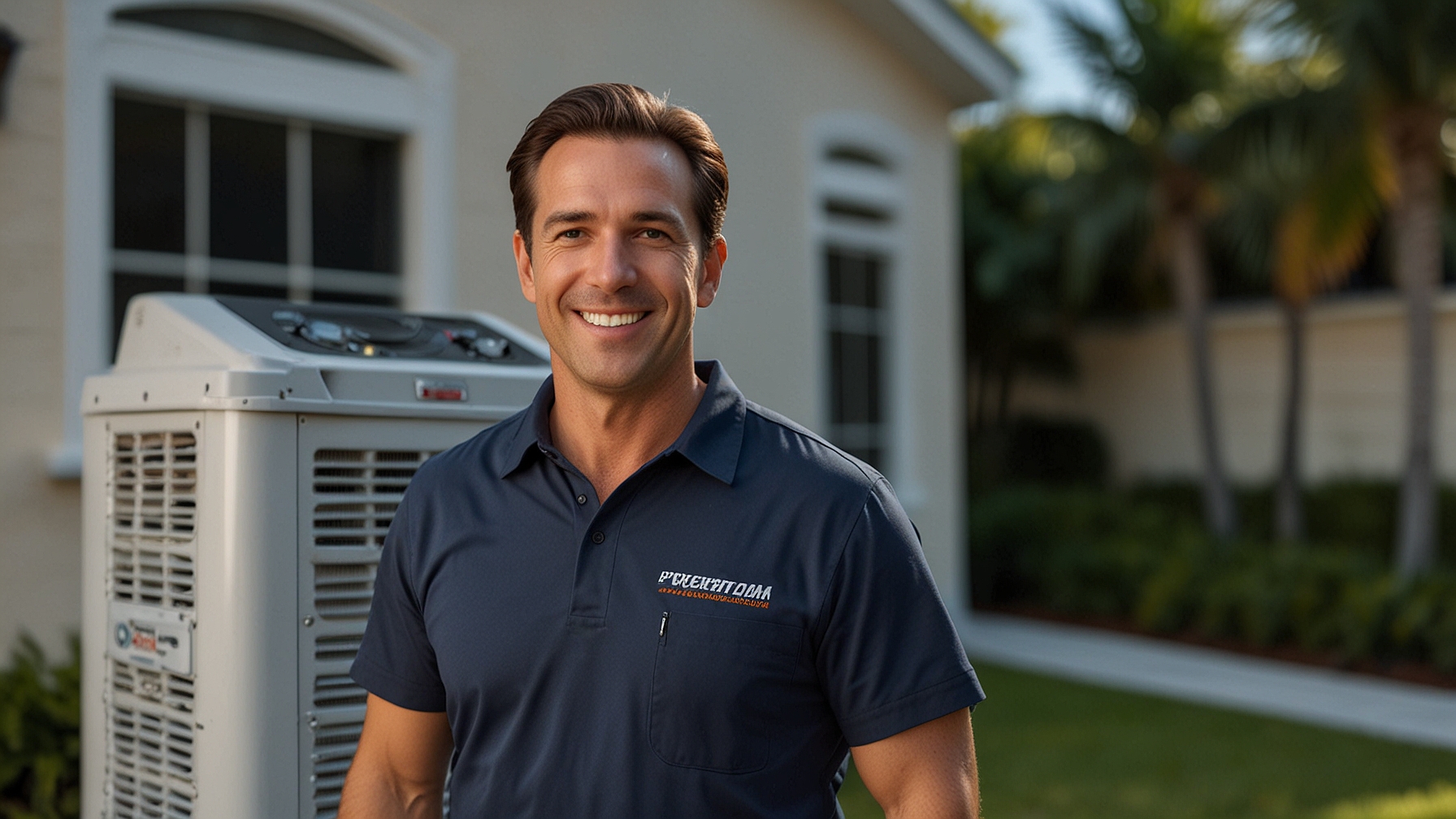
As a homeowner in Palm Beach County, you are likely no stranger to the occasional power outage. With the summer heat and humidity in South Florida, these outages can be more frequent than you would like. Whether it is a sudden summer thunderstorm that knocks out a transformer or a prolonged outage following a hurricane, losing power in August is not just an inconvenience. It is a safety risk. If you are tired of being left in the dark and sweating through your living room, it is time to consider a professional Generator Installation in Palm Beach County.
What to Look For
When hiring an electrical pro for your generator installation, there are several things you should look for to ensure you are getting a reputable and trustworthy contractor. First and foremost, make sure they are licensed by the Florida Department of Business and Professional Regulation (DBPR). This is not just a formality. In Florida, electrical work must adhere to strict state and local codes to prevent fire hazards. You can check their license status on the DBPR website in a few seconds.
Additionally, ask about their insurance coverage, including liability and workers' compensation. If a contractor gets injured on your property and does not have workers' compensation, you could be held liable. Red flags to avoid include contractors who demand full payment upfront or those who refuse to provide a detailed written estimate. A reputable pro will provide a clear breakdown of labor and materials before a single wire is touched.
Beyond the paperwork, you must verify that the contractor understands the specific requirements for wind load and mounting. Because we live in a high velocity hurricane zone, a generator cannot simply be plopped on a patch of grass. Look for a professional who discusses concrete pads and secure anchoring systems. If they do not mention how the unit will be secured against high winds, they are not the right person for a South Florida installation.
What It Costs
The cost of a generator installation in Palm Beach County can vary depending on several factors, including the type and size of the generator, the complexity of the installation, and the distance from the power grid. It is important to distinguish between the cost of the equipment and the cost of the labor to install it.
On average, a basic portable generator setup with a manual transfer switch can cost anywhere from 3,000 dollars to 6,000 dollars for installation. A more advanced whole house system with an automatic transfer switch can cost upwards of 10,000 dollars in labor and electrical upgrades. Keep in mind that these prices do not include the cost of the generator itself, which can range from 1,000 dollars to 5,000 dollars for portable units or 3,000 dollars to 7,000 dollars for permanent standby units.
To give you a better idea of real world pricing in our area, consider these three common scenarios:
First, for a small to mid sized home wanting a professional portable hookup, you might spend between 1,500 dollars and 3,000 dollars for the installation of a heavy duty transfer switch and a professional grounding system. This allows you to plug in a portable unit and power a few key circuits without the danger of backfeeding your grid.
Second, for a standard residential standby generator installation, including the cost of the generator, a concrete pad, and the electrical wiring, you should expect a total range between 8,000 dollars and 15,000 dollars. This price typically covers a unit that can run your air conditioning, refrigerator, and essential lighting.
Third, for a luxury estate in Palm Beach or Jupiter that requires a high kilowatt system to power multiple AC units and a pool pump, the total cost can range from 18,000 dollars to 30,000 dollars. These systems often require significant electrical panel upgrades to handle the massive load.
Tips to Get the Best Results
To get the best results from your generator installation, here are a few tips to keep in mind. First, make sure your generator is installed by a certified electrician who is familiar with local building codes and regulations. This will ensure that your system is safe and meets all necessary standards. Second, consider installing a whole house generator, which can provide power to your entire home during an outage. This is especially valuable if you have a sump pump or a medical device that must stay powered.
Third, be sure to maintain your generator regularly. In the South Florida climate, salt air can corrode components much faster than in other parts of the country. If you live near the coast, your maintenance schedule should be more aggressive to prevent rust and electrical failure.
One of the most practical tips for South Florida homeowners is to prioritize your load shedding plan. You do not necessarily need to power every single outlet in your house. Sit down with your electrician and decide which items are non negotiable, such as the refrigerator, the master bedroom AC, and the security system. By focusing on a critical loads panel, you can often save money on the size of the generator you buy while still keeping your home livable during a storm.
Finally, remember to test your system monthly. A generator that has sat idle for six months might not start when the wind is howling and the power is out. Run it for thirty minutes once a month to ensure the battery is charged and the fuel system is flowing.
Palm Beach County homeowners need to be especially proactive about this installation. Our local demand for electrical contractors spikes instantly the moment a tropical depression enters the Gulf or Atlantic. If you wait until a storm is forecasted, you will find that every reputable electrician in the county is booked for weeks. Because of our extreme humidity and heat, a power outage is not just a nuisance, it can lead to mold growth and health risks within hours. Getting your system installed now ensures you are not fighting for a spot on a crowded schedule when the weather turns.
If you are ready to find a trusted electrical pro to install your generator, you can browse verified local professionals at https://localqualitypros.com/electrical.